AI for Medical Tourism 2026–2027: Multilingual Patient Intake and Call Management
An AI assistant greets international patients 24/7 in their language, collects intake details and books video consultations; medical decisions stay with doctors.
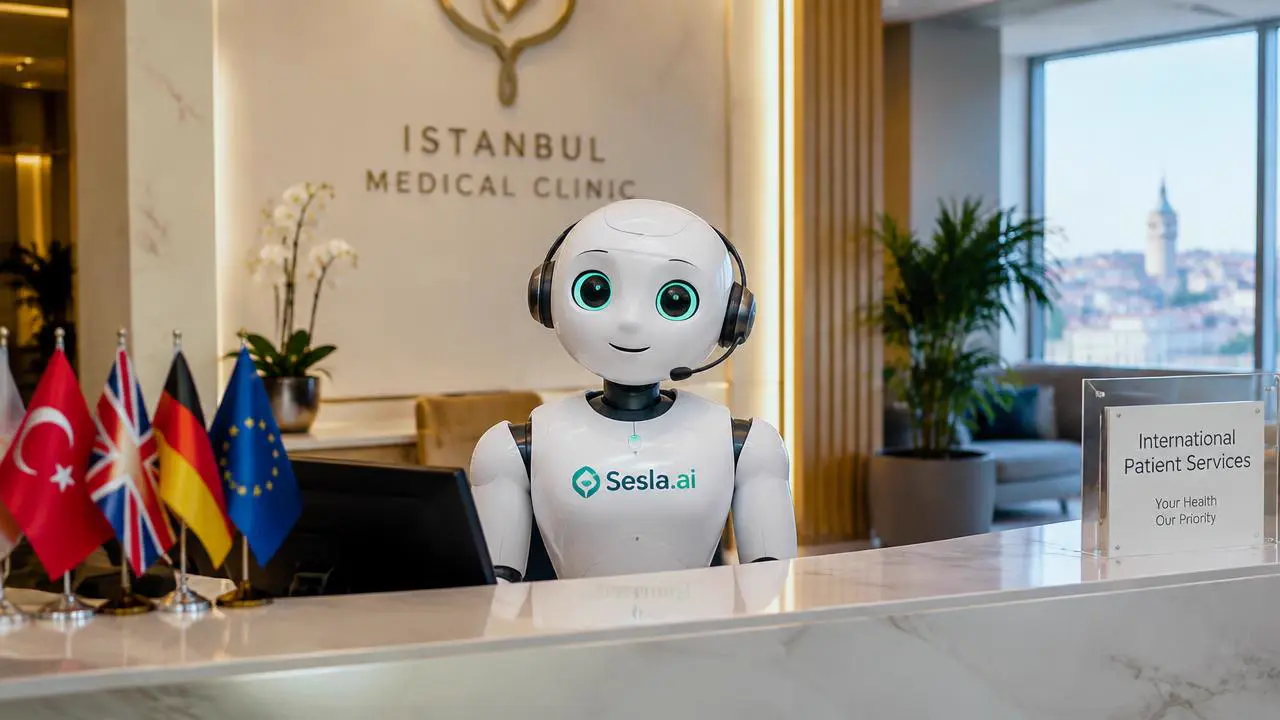
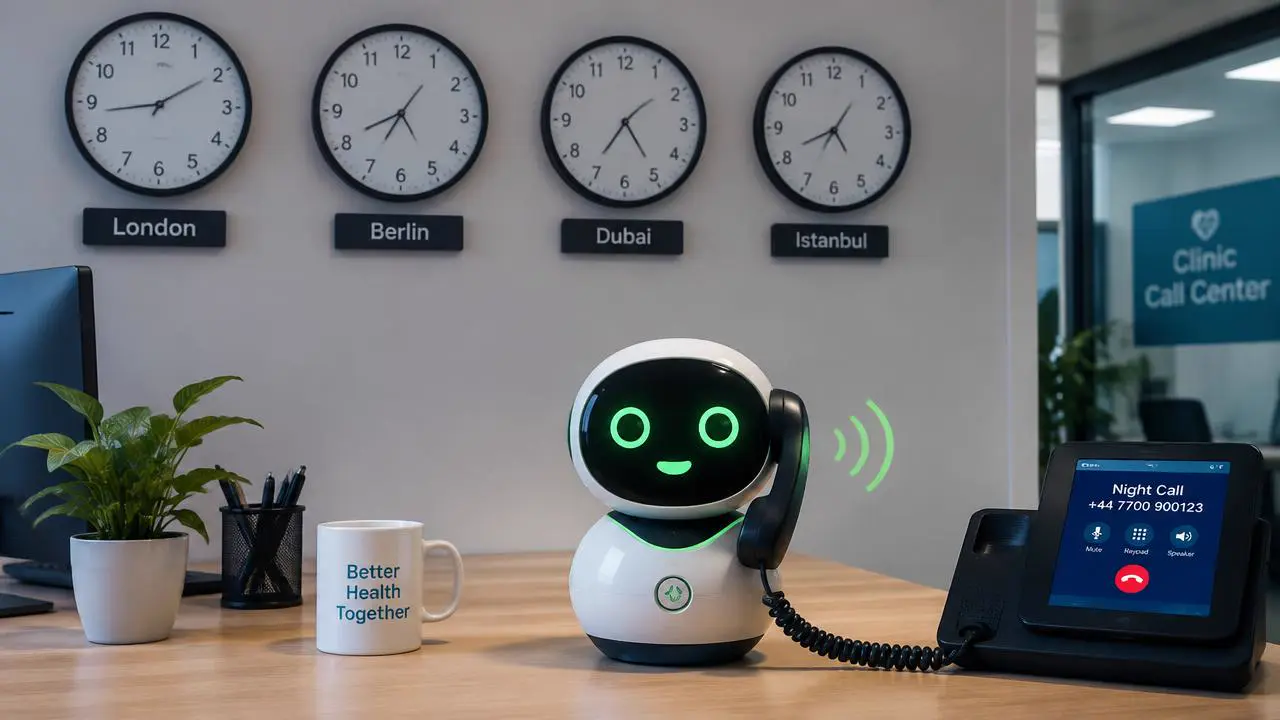
Türkiye is one of the world’s leading medical tourism destinations for hair transplants, dental treatment, cosmetic surgery, eye surgery and check-ups. Behind that success is a hidden operational load: a patient calling from London at midnight, a candidate sending photos from Berlin via WhatsApp, a family asking for information in Arabic from Dubai. In 2026–2027, a clinic’s most important competitive edge is answering these requests in the patient’s language, in their time zone and within the first minute. This guide explains how AI call management works in medical tourism, which tasks it can take over, how to draw medical boundaries, the data protection rules and the setup steps.
Why are medical tourism enquiries lost?
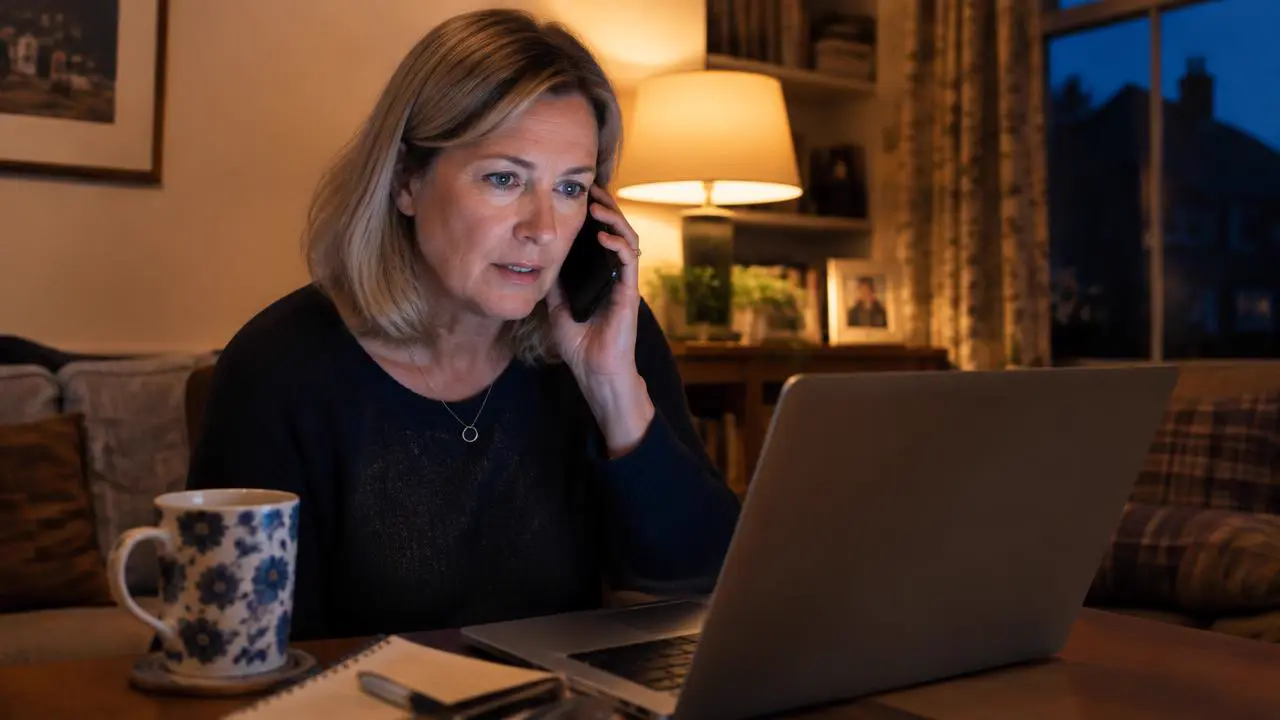
International demand follows the patient’s time zone, not the clinic’s hours. Patients calling from Europe in the evening, the Middle East at night or the Americas before dawn often cannot reach a coordinator. A candidate writes to several clinics at once and goes ahead with the first one that gives a meaningful answer. A few hours’ delay can send a treatment package worth thousands of euros to a competitor.
Language is another barrier. Keeping enough coordinators for every language is expensive, and in busy periods the capacity of English, German, Arabic, French, Russian or Spanish speakers fills quickly. Requests wait, answers are late and conversion drops.
What does an AI assistant do in medical tourism?
- Multilingual greeting: conversations in English, German, Arabic, French, Russian and more from one knowledge base.
- Intake: treatment interest, country, age range, previous treatments, preferred dates and budget range.
- Photo and pre-assessment routing: explains how to send the required photos and passes them to the coordinator.
- Video consultation booking: schedules an online consultation with the doctor or coordinator.
- Package information: general information on what packages include (hotel, transfer, interpreter); the price quote is left to the coordinator.
- Travel coordination: collects flight details and shares airport transfer and accommodation information via WhatsApp.
- Aftercare follow-up: with consent, check-up reminders and general care information.
- Smart handover: medical questions, complaints or emergencies go to the coordinator or doctor according to your rules.
Listen to example conversations on our medical tourism page. Sesla AI runs this flow on phone, WhatsApp and web chat with a single assistant on Türkiye’s most advanced AI call center infrastructure.
Drawing a clear medical line: what the assistant does not do
In medical tourism, trust is everything. The AI assistant is a coordination tool, not a doctor. This line must be defined explicitly at setup and kept in every conversation.
| The assistant does | The assistant does not |
|---|---|
| Give general service and process information | Diagnose or recommend treatment |
| Guide intake and photo submission | Give medical opinions from photos |
| Book video consultations | Estimate grafts, implants or other medical figures |
| Describe package scope in general | Give a binding price quote (left to the coordinator) |
| Share travel and transfer details | Guarantee results |
| Escalate emergencies by rule | Suggest medical intervention beyond referral |
These limits are critical for patient safety and legal compliance. When a question is unknown or out of scope, the assistant never invents an answer; it passes it to the coordinator and tells the patient honestly when they will hear back.
The international patient journey: from first call to discharge
- 1. First contact: the patient calls or writes; the assistant detects the language and answers in it.
- 2. Intake: treatment interest, country, preferred dates and basics are collected.
- 3. Pre-assessment: photo submission is explained and the file is passed to the coordinator.
- 4. Video consultation: an online consultation with the doctor or coordinator is scheduled.
- 5. Quote: the coordinator sends a personalised package and price.
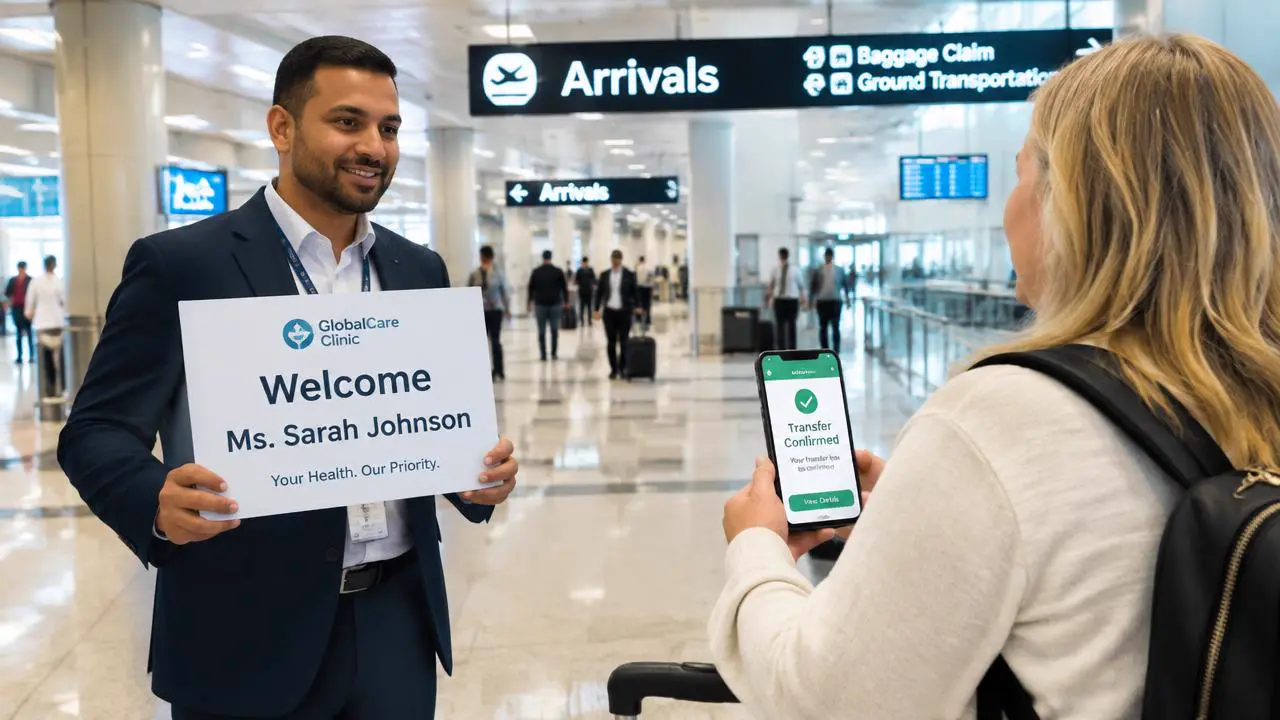
- 6. Travel: flight details are collected; transfer and hotel details are shared via WhatsApp.
- 7. Treatment and aftercare: with consent, follow-up reminders after treatment.
Use cases by specialty
Hair transplant clinics
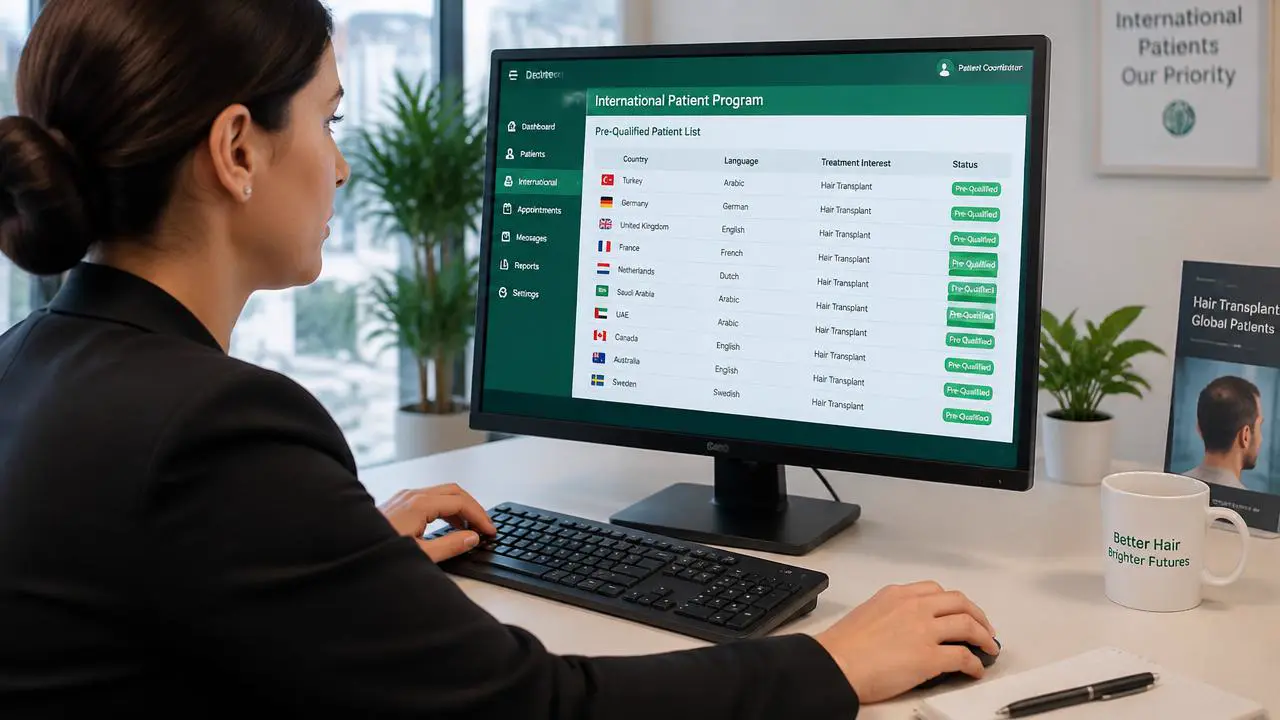
The most common questions concern methods, process, recovery time and package scope. The assistant gives this general information, explains photo submission and passes the pre-assessment to the coordinator; graft estimates always come from the doctor. See our hair transplant clinics page.
Dental clinics
For implants, crowns and smile design, the assistant explains the process and length of stay, guides X-ray or photo submission and schedules an online consultation. See our dental clinics page.

Cosmetic surgery and eye centers
General information on the pre-operative process, required tests, length of stay and follow-up plan is provided; suitability assessment and the treatment decision always stay with the doctor.
Check-ups and hospitals
Most logistical questions — package contents, scheduling, preparation instructions and result delivery — can be handed to the assistant.
GDPR, KVKK and health data
Medical tourism handles health data, a special category of personal data, for patients from many countries. Rules such as KVKK in Türkiye and GDPR for patients from the European Union must be considered. Privacy notices should be prepared in the relevant languages, processing that needs explicit consent defined separately, and storage locations and access rights for photos and medical documents made clear.
- Provide the privacy notice in the patient’s language.
- Obtain and record explicit consent separately for health data and photos.
- Ensure only authorised coordinators and doctors can access photos and documents.
- Define retention periods and delete data when they expire.
- State at the start that the assistant is an AI and that the call is recorded.
See our security page and privacy policy for Sesla’s approach.
Cost and return
In medical tourism a single treatment package is valuable, so every lost international enquiry is a serious revenue loss. For your own estimate, consider monthly international enquiries, the share lost to slow replies, conversion rate and average package value together. The assistant is billed by usage minutes and for most clinics costs far less than adding multilingual coordinator capacity.
| Item | Example value |
|---|---|
| Monthly international enquiries | 300 |
| Answered after hours or late | 40% → 120 |
| Extra conversion from fast replies (example) | 5% → 6 patients |
| Average package value | Depends on your clinic |
| Potential extra revenue | ~6 × average package value |
See our pricing page and AI call center pricing guide for plans.
Setup: multilingual patient intake in 6 steps
- 1. Service information: specialties, process, length of stay, package scope and the 30 most common questions.
- 2. Medical limits: topics the assistant will not answer and handover rules.
- 3. Languages: your priority markets’ languages and a knowledge base check in each.
- 4. Channels: phone, WhatsApp and web chat on the same assistant.
- 5. Coordinator flow: how pre-assessment files and bookings reach the coordinator.
- 6. Test and measure: test calls in each language and a review of the first week’s summaries.
Common mistakes
- Letting the assistant make medical estimates: grafts, implants or expected results always belong to the doctor.
- Fixing prices on the phone: personalised quotes are the coordinator’s job.
- Launching languages untested: check the knowledge base and pronunciation in each language.
- Privacy notice only in Turkish: provide it in a language the patient understands.
- Forgetting aftercare: consent-based follow-up strongly affects satisfaction and referrals.
2026–2027: where is AI in medical tourism heading?
As competition grows, patient experience becomes as decisive as price. AI assistants increasingly manage the whole patient journey from first contact to aftercare — multilingual, uninterrupted and personalised. Conversation data showing which countries ask for which treatments helps direct marketing budgets to the right markets.
Why Sesla AI for medical tourism?
Sesla AI is a multilingual AI call assistant running on Türkiye’s most advanced AI call center infrastructure. It greets international patients 24/7 in their language on phone, WhatsApp and web chat, collects intake details, books video consultations, shares transfer and accommodation information and routes medical topics to coordinators and doctors by rule. Your existing number stays, pricing is transparent and expert setup is free on yearly Kurumsal and Premium plans.
Example conversation: a hair transplant candidate from Germany at 11:40 pm
The candidate writes in German: “I’d like to come to Türkiye for a hair transplant — how does it work?” The assistant replies in German: it explains the methods in general, how many days a stay usually takes and whether transfer and hotel are included in the package. It then explains which photo angles are needed for pre-assessment and collects country, age range, previous treatments and preferred month. When asked how many grafts are needed, the assistant says this can only be determined by the doctor and schedules a video call with a German-speaking coordinator for the next day.
In the morning the coordinator sees a Turkish summary of the German conversation, the photos and the appointment time. The candidate felt cared for from the first message and already has a consultation booked while still waiting for replies from competing clinics.
Language and hours planning by market
| Market | Priority language | Peak enquiry time (Istanbul) |
|---|---|---|
| United Kingdom | English | 7 pm–midnight |
| Germany, Austria | German | 6–11 pm |
| Gulf countries | Arabic | 9 pm–2 am |
| France, Belgium | French | 6–11 pm |
| USA, Canada | English | 4 pm–6 am |
| Russia, CIS | Russian | 10 am–8 pm |
The table shows how much demand falls outside coordinators’ working hours. The AI assistant takes first contact during those hours; coordinators start their shift with a prioritised list.
5 practices that lift conversion
- Cut first response to minutes: time to first meaningful answer is one of the strongest conversion drivers.
- Make photo instructions clear: send a visual message showing which angles and lighting are needed.
- Book video consultations fast: connect the candidate with a doctor or coordinator while interest is highest.
- Reduce travel uncertainty: share transfer, hotel and interpreter details early.
- Systematise aftercare: consent-based check-up reminders raise satisfaction and referrals.
Reputation and trust: reviews and referrals
In medical tourism many new patients come through referrals and online reviews. Fast, honest communication before treatment and regular follow-up afterwards directly affect review quality. An assistant that never guarantees results, passes unknown questions to a coordinator and tells the patient clearly when they will hear back protects the clinic’s long-term reputation.
Go-live checklist for a medical tourism clinic
- Are medical topics the assistant will not answer written down?
- Were the knowledge base and pronunciation tested in every language?
- Are photo instructions ready with images in every language?
- Are the video consultation calendar and coordinator allocation clear?
- Are privacy and consent texts ready in patients’ languages?
- Are transfer, hotel and interpreter details current?
- Are emergency and complaint handover rules defined?
- Is consent-based aftercare follow-up planned?
Conclusion
In medical tourism the winning clinic is often the one that gives the first meaningful answer. An AI assistant greets international patients in the first minute regardless of time zone or language, makes the coordinator’s work easier and frees the doctor’s time for treatment. Write down your medical limits, choose your priority languages and go live first with after-hours enquiries and WhatsApp.
Start a live demo with Defne to experience the multilingual assistant, or design an assistant for your clinic in a few minutes.
Frequently asked questions
What does an AI assistant do in medical tourism?
It greets international patients 24/7 in their language, collects intake details, guides photo submission, books video consultations and shares travel information.
Does it give medical advice or price quotes?
No. Diagnosis, treatment recommendations, medical estimates and personalised quotes always stay with the doctor and coordinator.
Which languages does it speak?
English, German, Arabic, French, Russian and many more from one knowledge base; each language is tested at setup.
How is health data protected?
With privacy notices in the patient’s language, required explicit consent, authorised access and defined retention, considering rules such as GDPR and KVKK.
Does it handle WhatsApp enquiries too?
Yes. Phone, WhatsApp and web chat are run by the same assistant and knowledge base.
Can I try it?
Yes. Run a free live demo with Defne for up to 10 minutes.
Describe your needs in 3 minutes and we prepare your assistant draft and quote.