AI Call Center Solutions 2026–2027: Enterprise Transformation Guide
What an AI call center is, how it works, which solutions exist and how to switch in 30 days.
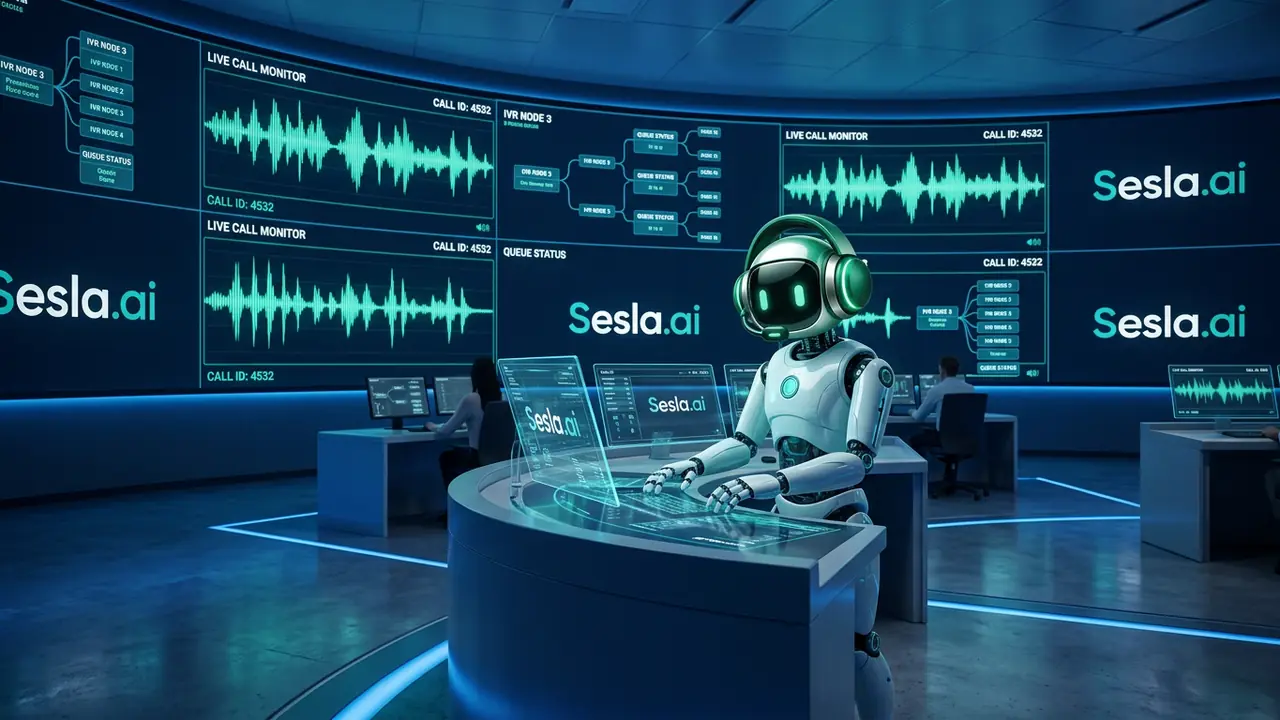
Customer expectations in 2026–2027 are simple: an immediate answer, at any hour, in their own language. Traditional contact centers struggle to meet this without rising costs. This guide explains what AI call center solutions are, how they work, which types exist, where they deliver value and how to move from a classic setup to an AI-first model in 30 days — without losing the human touch.
What is an AI call center?
An AI call center replaces or supports the first line of phone service with voice AI: speech recognition, language understanding and speech synthesis working together in real time. Instead of an IVR menu (“press 1 for sales”), the caller simply says what they need. The assistant understands, asks a clarifying question if necessary and completes the task. Sesla brings this to businesses on Türkiye’s most advanced AI call center infrastructure.
The key difference to older automation is flexibility. IVRs and voicemail force callers into a fixed path; an AI assistant follows the conversation, remembers what was said and adapts. That is why callers no longer feel they are “talking to a machine” but to an efficient front desk.
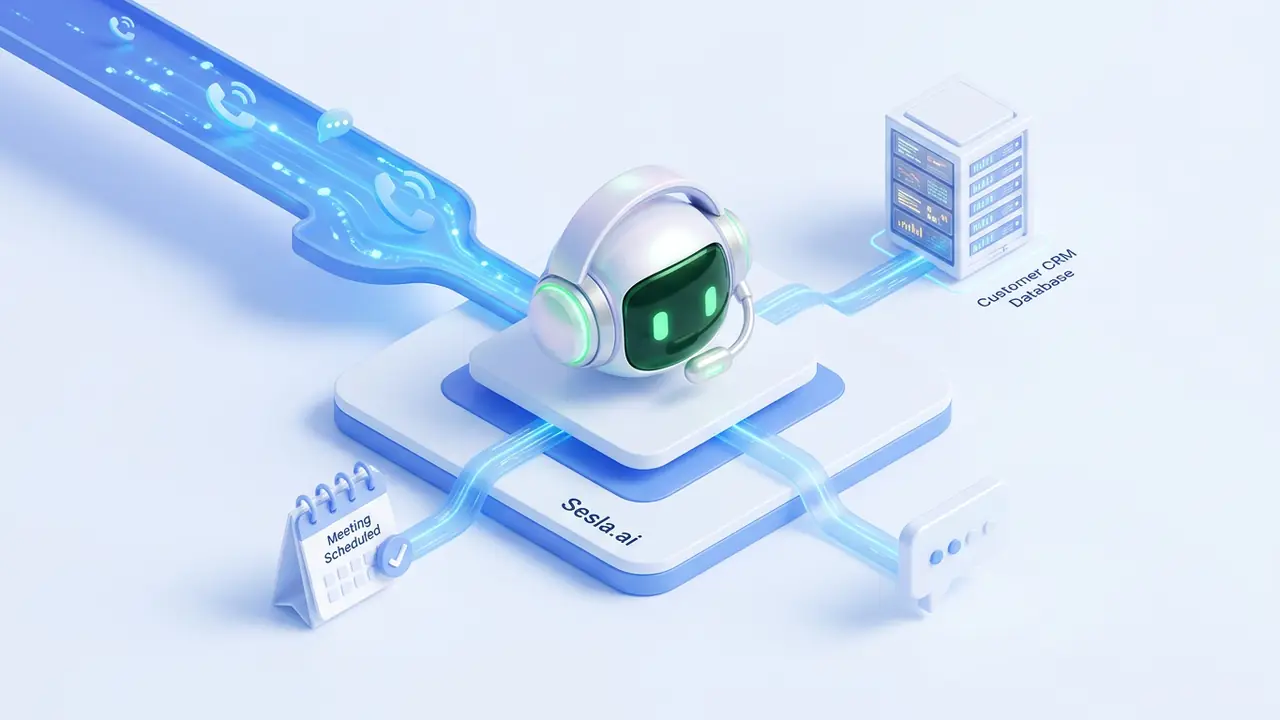
How does it work, step by step?
- 1. Answer: the call is picked up within the first second — at 3 p.m. or 3 a.m.
- 2. Understand: speech is transcribed and the intent (booking, price, complaint, order status) is detected.
- 3. Respond: the assistant answers from your approved knowledge base, never inventing facts.
- 4. Act: it books an appointment, captures a request or sends a confirmation via your tools.
- 5. Hand over: complex or sensitive cases go to the right person with a short summary.
- 6. Document: every call is recorded, transcribed and summarised for reporting.
Behind this flow sit integrations with calendars, CRM and order systems, plus rules defining when the assistant must transfer. Good configuration matters more than any single model: clear scenarios, clean answers and sensible handover rules make the difference between an impressive demo and reliable daily operation.
Types of AI call center solutions
| Solution | Best for | Typical result |
|---|---|---|
| AI receptionist / inbound | Clinics, offices, service firms | No missed calls, bookings 24/7 |
| Overflow & after-hours | Teams with peaks | Busy signals disappear |
| Consent-based outbound | Reminders, confirmations, follow-ups | Fewer no-shows |
| Multilingual service | Tourism, health tourism, exports | Callers served in their language |
| Omnichannel | Phone + WhatsApp + web chat | One assistant, all channels |
| Call analytics | Managers and quality teams | Insights from every conversation |
Most businesses start with one type — usually after-hours and overflow — and expand once reports show the value. Contact center automation works best as a gradual programme, not a big-bang switch.
AI and humans together: the hybrid model
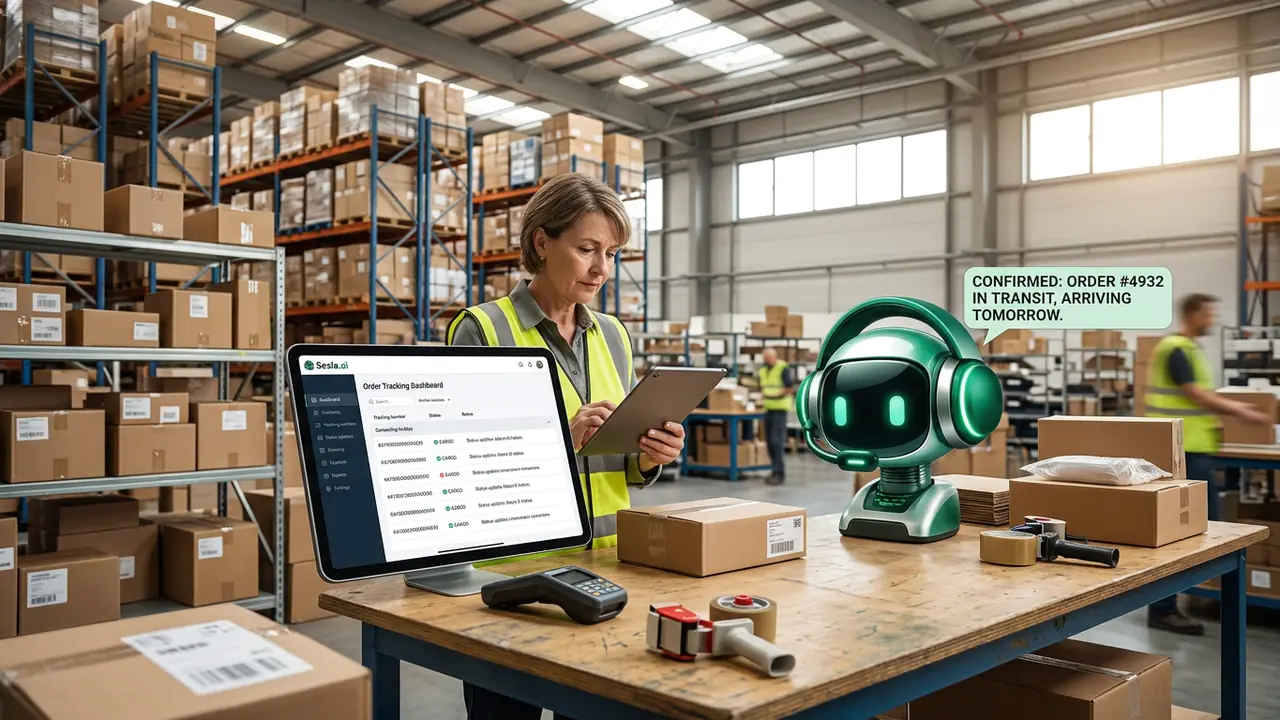
The strongest AI customer service setups are hybrid. The assistant handles repetitive questions, bookings and status requests; people handle negotiations, complaints and sensitive cases. Because every handover includes a summary, customers never have to repeat themselves, and agents start the conversation already informed.
This also changes the job of your team. Instead of answering the same five questions all day, they work on cases where empathy and judgement create value. Staff satisfaction tends to rise, and turnover — one of the biggest hidden costs in call centers — falls.
Where AI call centers deliver the most value
- Healthcare and clinics: appointment booking, reminders and multilingual patient enquiries.
- Real estate: instant answers to listing calls, viewing appointments and lead qualification.
- Hospitality and restaurants: reservations and opening-hour questions during peak service.
- Technical service and trades: job intake, address capture and urgency triage.
- E-commerce and logistics: order status and delivery questions at scale.
- Professional services: law, accounting and consulting offices that cannot pick up during meetings.
Explore industry-specific flows on our industries page, where each sector shows its own scenarios, questions and handover rules.
8 criteria for choosing call center software
- 1. Live test: talk to the assistant yourself before signing.
- 2. Language quality: natural speech, accents and interruptions handled well.
- 3. Latency: answers without awkward pauses.
- 4. Knowledge control: answers only from approved content.
- 5. Handover: clear rules and summaries for your team.
- 6. Integrations: calendar, CRM, WhatsApp and webhooks.
- 7. Compliance: GDPR/KVKK transparency, consent-based outbound, retention.
- 8. Transparent pricing: included minutes and extra rates published openly.
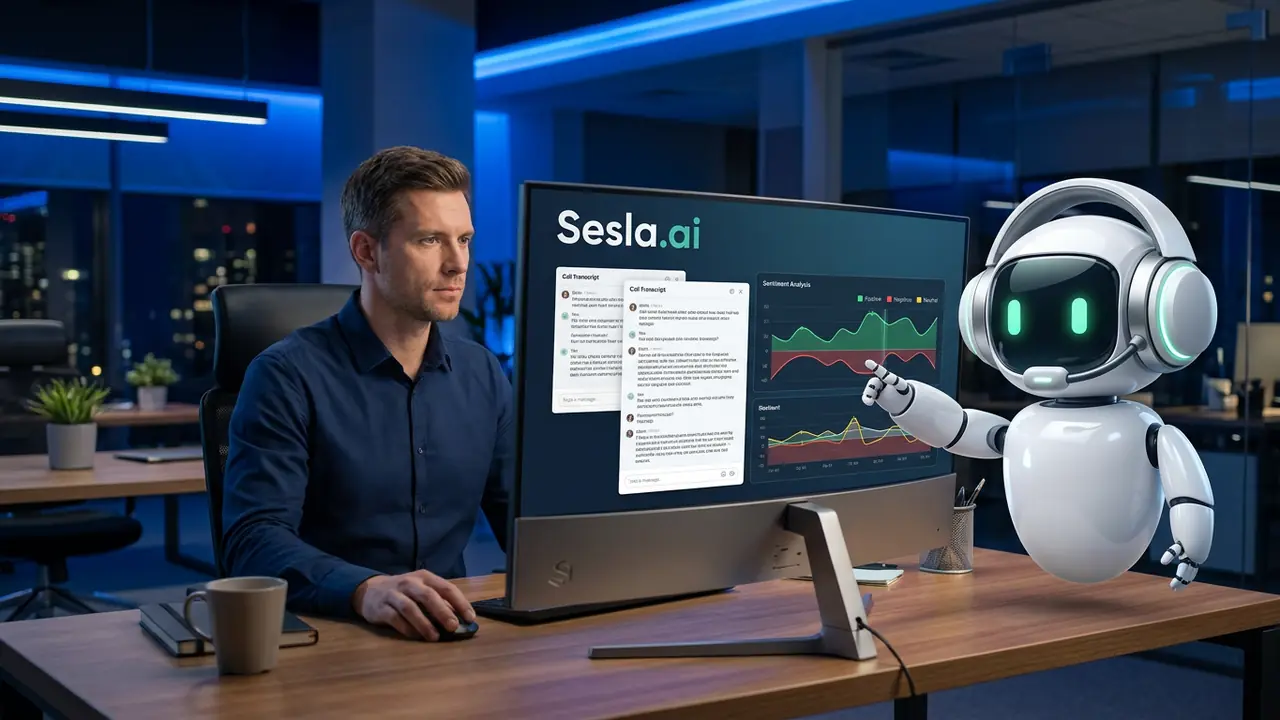
The first criterion decides the rest: no brochure replaces a few minutes of real conversation. At Sesla you can talk to Defne for free in your browser or by phone. For plans and costs, see our AI call center pricing guide.
Switching in 30 days
| Week | Focus | Outcome |
|---|---|---|
| 1 | Scenarios, knowledge base, handover rules | Assistant ready for testing |
| 2 | After-hours and overflow forwarding | First real calls answered |
| 3 | Review recordings, refine, connect calendar | Higher resolution rate |
| 4 | Expand coverage, resize plan | Stable daily operation |
KPIs to measure success
- Answer rate and missed-call rate.
- Resolution rate without human handover.
- Bookings or qualified leads per 100 calls.
- Average handling time and peak-hour performance.
- Customer satisfaction and repeat-call rate.
Conclusion: AI call center solutions in 2026–2027
In 2026–2027, the question is no longer whether to use AI in the call center, but how to introduce it safely and measurably. Start with the calls you lose today, keep humans for the conversations that need them and let data guide the next step. Sesla gives you the infrastructure, transparent plans and a live demo to start this week.
Frequently asked questions
What is an AI call center?
A contact center whose first line is handled by a natural-sounding voice assistant that understands intent, answers from your knowledge base, books and hands over with a summary.
Will AI replace my agents?
Usually not. AI takes routine and after-hours calls; your team focuses on complex and sensitive conversations.
How long does implementation take?
A first live setup typically takes days; a full rollout with integrations about 30 days.
Does it work in several languages?
Yes. Sesla serves callers in Turkish, English, German and many other languages and continues in the caller’s language.
Is outbound calling allowed?
Sesla supports consent-based outbound only — reminders, confirmations and follow-ups to people who agreed to be contacted. No cold calling.
Describe your needs in 3 minutes and we prepare your assistant draft and quote.