
AI appointment assistant for dental clinics: keep chairs filled
A phone ringing during treatment is often a lost appointment. An AI appointment assistant answers, offers a slot and sends reminders.
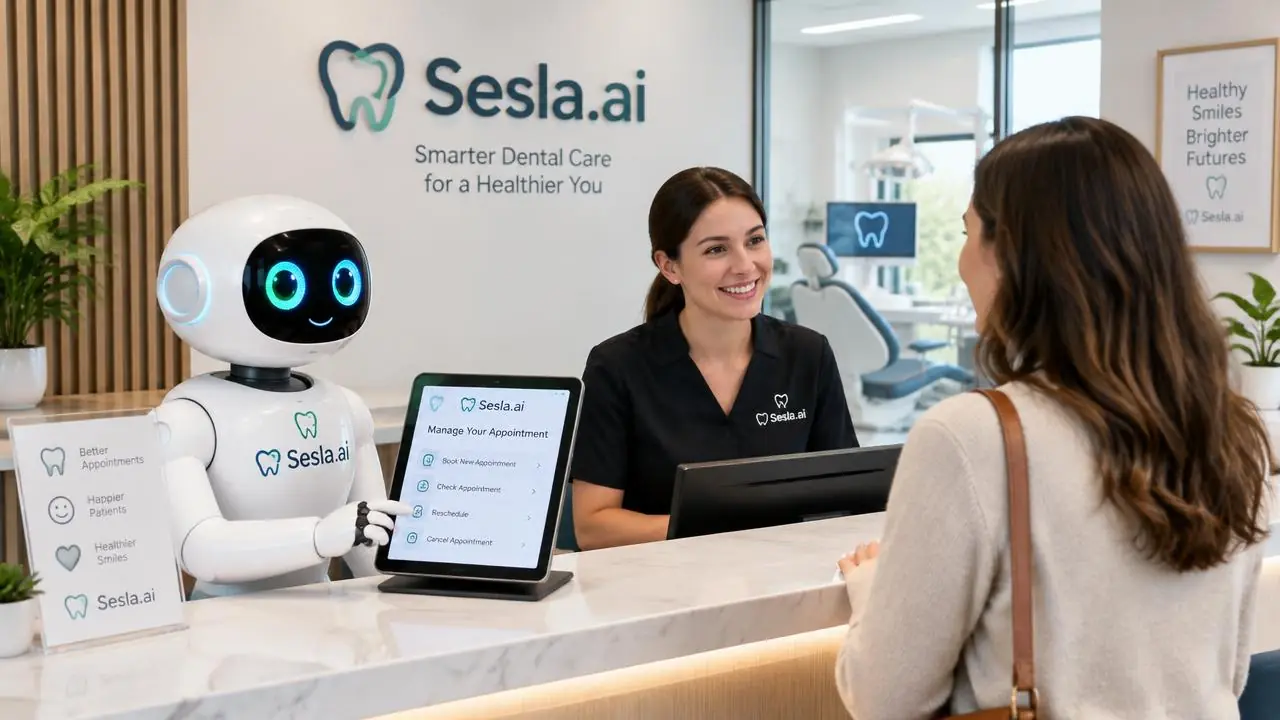
In dental clinics, the phone is the gateway to revenue. New patient appointments, recall calls, treatment plan inquiries, and urgent pain complaints largely come in by phone. However, when the dentist is in treatment, the assistant is with the dentist, and reception is attending to a patient face-to-face, incoming calls often go unanswered. In this guide, we discuss in detail why dental clinics miss appointments, its impact on chair occupancy, how an AI appointment assistant solves this problem while maintaining medical boundaries, and how to set up Sesla.
Why do dental clinics miss appointments?
The workflow in a dental clinic is intense and physically demanding. A dentist cannot answer the phone in the middle of a filling or root canal; an assistant cannot leave the dentist's side. Reception, meanwhile, handles registration, takes payments, schedules the next appointment, and attends to waiting patients. In this intensity, when the second and third lines ring, some calls inevitably go unanswered.
A patient suffering from toothache or researching an aesthetic treatment often calls multiple clinics consecutively. They schedule an appointment with the first clinic that provides a clear answer and a suitable time. Therefore, a missed call in dental clinics can mean not just a lost examination, but the loss of a high-value treatment plan such as implants, orthodontics, or aesthetic smile design.
How to calculate chair occupancy and revenue loss?
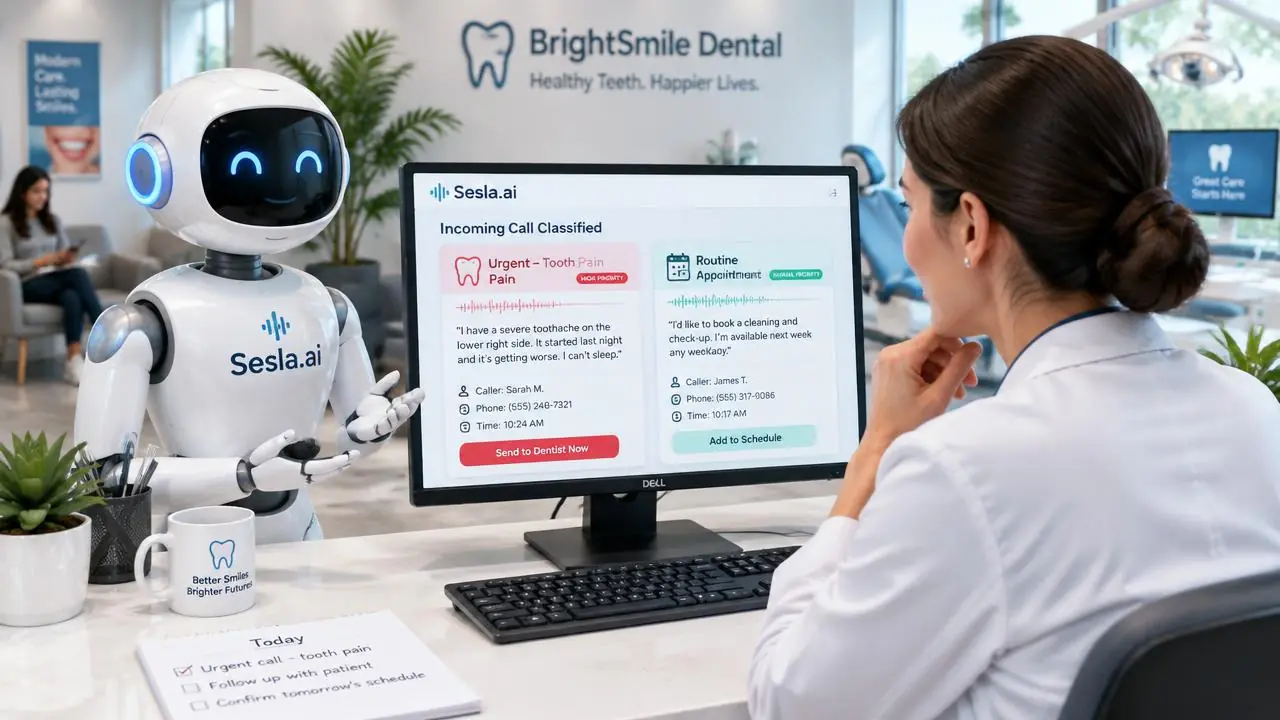
A dental clinic's most valuable asset is its treatment chair time. Every hour a chair is empty represents lost revenue that cannot be recovered. These gaps arise from two sources: missed new patient calls and no-show appointments. Both are largely related to phone management.
| Item | Single-dentist clinic | Three-dentist clinic | Clinic chain |
|---|---|---|---|
| Monthly incoming calls | 400 | 1,100 | 3,500 |
| Unanswered rate | %25 | %22 | %18 |
| Missed calls | 100 | 242 | 630 |
| Appointment conversion rate | %35 | %35 | %35 |
| Lost appointments | 35 | 85 | 220 |
| No-show rate | %15 | %12 | %10 |
This calculation yields surprising results for most clinics. If even a fraction of 35 lost appointments per month converted into a long-term treatment plan, it would make a significant difference to the clinic's monthly income. No-show patients, on the other hand, mean that time already planned and prepared for by the clinic goes to waste.
Medical boundaries: what the assistant does and does not do?
When using AI in healthcare, the most important principle is to clearly define boundaries from the outset. Sesla does not diagnose, recommend treatment, provide medication advice, or comment on the meaning of a patient's complaint. Its role is to handle administrative and communication tasks: appointments, information, reminders, and transferring to the right person.
- Does: creates, modifies, and cancels appointments; provides working hours, address, and parking information.
- Does: notes the complaint in the patient's own words and relays it to the dentist.
- Does: sends a reminder and confirmation call or message one day before the appointment.
- Does not: diagnose, suggest treatment, recommend medication, or guarantee prices.
- Transfers: immediately transfers patients reporting severe pain, swelling, bleeding, or trauma to the team according to your defined rules.
A similar principle applies to treatment fees. The assistant can share the clinic's approved general price ranges or examination fees; however, it clearly states that the exact treatment fee will be determined by the dentist after the examination. This approach both protects patient trust and prevents false expectations.
Sesla difference: why better for clinics?
Sesla speaks with your clinic's name, in a calm and reassuring tone. Patients do not feel lost in a dial-by-menu system; they explain their concerns in their own words and receive a clear next step. Our AI solution for dental clinics is customized according to the dentist's schedule, treatment types, and your clinic's operational procedures.
| Criterion | Additional receptionist | Answering machine | General call center | Sesla |
|---|---|---|---|---|
| After-hours | None | Records | Extra charge | 24/7 |
| Appointment creation | Yes | No | Partially | Yes |
| Reminder | Manual | None | Extra fee | Automated |
| Medical limit management | Human-dependent | — | Variable | Rule-based transfer |
| Peak hour capacity | 1 line | — | As many as your team | Concurrent calls |
| Cost | Fixed salary + benefits | Very low | Per minute | Transparent package |
Another distinguishing feature of Sesla is its multilingual service for clinics engaged in health tourism. Patients calling from abroad are greeted in languages such as English, German, or Arabic, their requests are meticulously recorded, and then transferred to a patient coordinator. This ensures the clinic doesn't miss inquiries coming from different time zones during late hours.
Reducing no-show patients
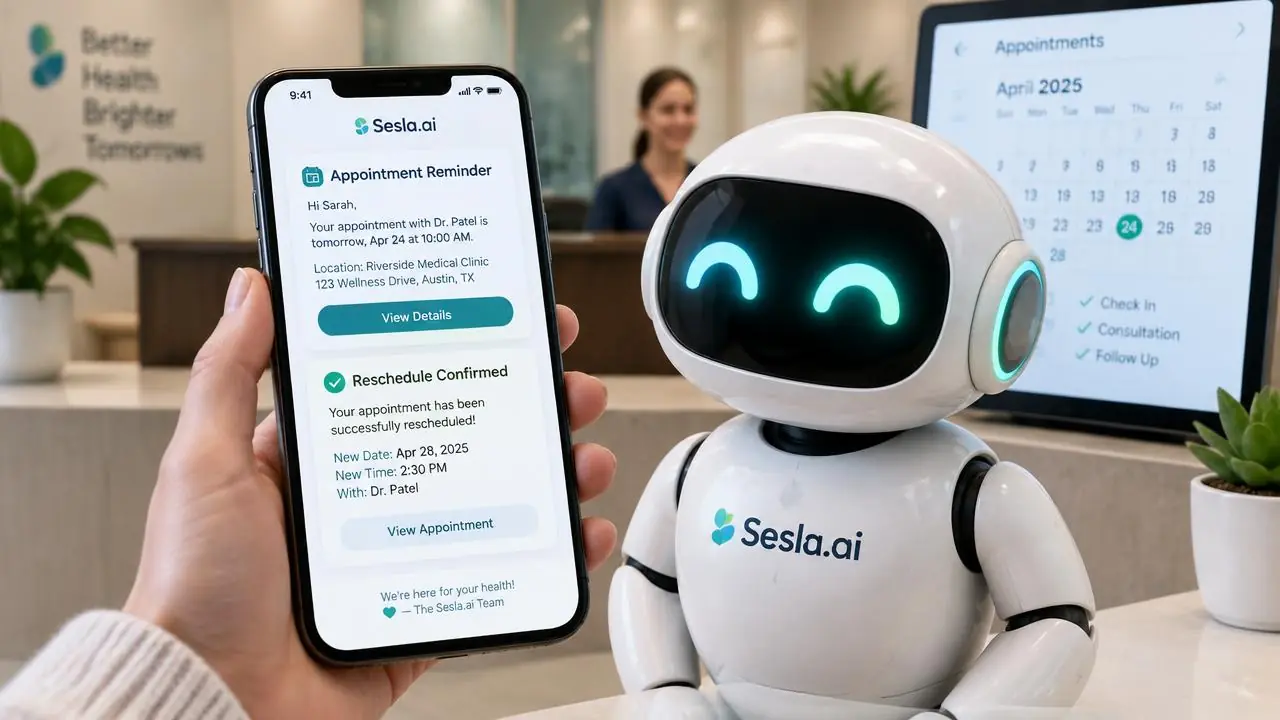
The no-show patient problem is as significant a loss item for most clinics as missed calls. Most patients don't intentionally miss appointments; they either forget or their plans change. A short reminder the day before an appointment and an easy rescheduling option significantly reduce this rate.
Sesla sends reminders through the channel permitted by the patient: voice call or WhatsApp message. If the patient says they cannot come, the assistant immediately suggests a new time; the vacated slot can then be offered to another patient on the waiting list. This way, the clinic has the chance to fill the gap created by a no-show patient, even at the last minute.
Step-by-step setup in the clinic
- 1. Define physicians, working days, and appointment durations according to treatment types.
- 2. Write down frequently asked questions and their approved answers: address, parking, consultation fee, payment options.
- 3. Determine emergency and transfer rules: which complaint, to whom, via which channel?
- 4. Select reminder timing and channel.
- 5. Start with after-hours and busy calls, then review the summaries of the first two weeks.
During the setup process, the GDPR/KVKK disclosure text is also included in the flow. Since health data is special category personal data, only the information necessary for appointments is collected, access authorizations are limited, and retention periods are determined in planning with your clinic.
Pricing: which package is right for your clinic?
Starting packages are often sufficient for a single-physician clinic. Clinics with multiple physicians, reminder calls, and health tourism requests benefit from higher-minute packages. The table below shows current Sesla packages; values are automatically pulled from the single pricing source on the site.
| Plan | Monthly | Annual (per month) | Included minutes | Extra minute | Setup on annual |
|---|---|---|---|---|---|
| Starter Plan | $59.99 | $44.99 | 120 min | $0.25 | Paid |
| Professional Plan | $129.99 | $97.49 | 300 min | $0.23 | Paid |
| Enterprise Plan | $259.99 | $194.99 | 600 min | $0.22 | Free |
| Premium Plan | $519.99 | $389.99 | 1,200 min | $0.15 | Free |
Even a few appointments saved per month cover the package cost for most clinics. To perform a comparative calculation with reception staff costs, you can use the savings calculator on the pricing page and download the result as a PDF report.
Patient experience and trust
Dental treatment is an anxiety-inducing experience for many. A greeting that answers quickly, speaks calmly, and provides clear information is the first step in building a patient's trust in the clinic. Sesla provides this first contact with the same quality at all hours; the tone of voice and courtesy remain consistent even at the end of a busy day.
Transparency is also part of trust. We recommend that the assistant introduce themselves as the clinic's digital assistant at the beginning of the call. What matters to patients is getting quick answers and having their appointments created correctly. To see if you find the assistant's voice suitable for your clinic, you can try the live demo on the Sesla homepage.
Not losing calls for treatment plans
The most valuable calls in dental clinics are for multi-session treatments such as implants, orthodontics, zirconium veneers, or smile design. These patients are generally in the research phase, consult with multiple clinics, and seek trust before making a decision. Missing these calls means losing a much larger revenue stream than a single examination.
For these calls, the assistant records the type of treatment the patient is interested in, whether they have had a previous examination, if they have an X-ray or treatment plan, and on which day they can come for an examination. For pricing inquiries, the assistant shares general information approved by the clinic and explains that the definitive plan will be determined after an examination. Because the patient receives clear answers to their questions and can easily schedule an appointment, they tend to decide in favor of that clinic.
Another opportunity for clinics is patients who don't book an appointment but request information. With the patient's permission, the assistant can collect their contact information and forward it to a patient coordinator. The coordinator calls the patient within a few days, answers their questions, and invites them for an examination. This small follow-up step ensures that a significant portion of patients in the research phase come to the clinic.

How does the reception burden lighten?
Clinic reception juggles many tasks simultaneously: greeting incoming patients, registration, payment processing, insurance and corporate agreements, inter-physician coordination, and, of course, the phone. Delegating a significant portion of phone traffic to the assistant allows reception to dedicate more face-to-face time to patients. This directly improves the waiting experience in the clinic and patient satisfaction.
The summaries sent by the assistant at the end of the day also facilitate reception's planning for the next day. Which patient changed their appointment, who canceled, who is waiting for a call back, and which patient reported an emergency are all visible in a single list. This way, the team starting work in the morning doesn't have to extract accumulated requests from phone records one by one overnight.
In multi-branch clinics, the assistant can direct the patient to the correct branch according to their address or preferred physician. Since all branches' appointment rules are gathered in a single knowledge base, patients receive the same quality of service regardless of which branch they call.
30-day roadmap for clinics
In the first week, the assistant only handles after-hours and busy calls. Reception checks the incoming summaries every morning, compares the created appointments with the clinic software, and notes any missing information. In the second week, the frequently asked questions list is expanded: topics such as parking, payment options, contracted institutions, and treatment durations are added to the knowledge base. In the third week, reminder calls are activated, and the no-show rate begins to be tracked.
In the fourth week, the initial evaluation is made. How many new patient appointments were created by the assistant, how many reminders were sent, how many patients rescheduled their appointments, and how many vacant slots were filled? These four questions clearly demonstrate the value the assistant brings to the clinic. Most clinics at this point expand the scope to include daytime overflow calls.
Points for physicians to consider
Physicians do not need to work directly with the assistant; however, physician input is essential in defining emergency rules. Which complaint requires an examination on the same day, which should be directed to the emergency department, and which can be scheduled for a regular appointment are clarified by rules set by the physicians. These rules enable the assistant to provide correct guidance without making medical interpretations.
- List complaints that require same-day assessment.
- Clearly define situations requiring emergency department referral.
- Determine appointment durations based on treatment types.
- Mark physicians' leave and conference days on the calendar.
Example return on investment scenario
Imagine a two-physician clinic receiving 800 calls a month and missing one-fifth of them. Even if only a portion of the 160 missed calls converts to an examination, dozens of new patients are gained by the clinic each month. When even a small percentage of these patients start a multi-session treatment plan, the increase in the clinic's monthly revenue far exceeds the assistant's cost. When the gains from the decrease in the no-show rate are added, the return on investment is often seen within the first month.
Beyond this calculation, there is also team satisfaction. The reception team, with reduced phone pressure, works more calmly, dedicates more time to patients, and experiences less staff turnover due to workload. This ensures the clinic's service quality remains consistent.
Common mistakes made by clinics
The first common mistake is not determining how the assistant should respond to pricing questions. A significant portion of patients ask about price on their first call; if the assistant cannot provide any information on this, the patient calls another clinic. Sharing a general price range or consultation fee approved by the clinic is usually enough to gain the patient's trust. Clearly stating that the exact price will be determined after an examination prevents false expectations.
The second mistake is leaving emergency rules vague. Not every patient who says, "I have pain" is an emergency; however, symptoms like swelling, fever, bleeding, or trauma may require quick redirection. Clearly defining this distinction by physicians ensures that the assistant neither unnecessarily worries the patient nor overlooks genuinely urgent situations.
The third mistake is focusing solely on new appointment calls without activating the reminder system. Gaining new patients is important; however, retaining existing appointments is at least as valuable. Reminders and easy rescheduling are an important part of the value the assistant adds to the clinic and should definitely be activated in the first month of setup.
The fourth mistake is not involving the team in the process. The reception team are the ones who best know the most frequently asked questions from patients and the most common problems. When their experience is transferred to the knowledge base, the assistant matures much faster, and the team also embraces the new system.
Checklist for clinics
- Physician list, specialties, and working days.
- Appointment durations by treatment type.
- Consultation fee and general pricing information that can be shared.
- Emergency symptoms and referral rules.
- Address, parking, and transportation information.
- Contracted institutions and payment options.
- Reminder timing and channel.
- GDPR/KVKK disclosure text and communication consent.
A typical clinic day with the assistant
08:15 AM. Before the clinic even opens, a patient calls about a toothache that started overnight. The assistant answers the phone with the clinic's name, listens to the complaint, and asks if there is swelling or fever. The patient says there is no swelling; the assistant suggests the earliest examination time for the same day and creates the appointment. When reception starts work at 09:00 AM, the appointment is ready on the list.
12:40 PM. While the physicians are in treatment and reception is taking payments from two patients, three calls come in simultaneously. One wants information about implant treatment, one wants to reschedule an appointment, and another is asking for the address. The assistant handles all three conversations in parallel; provides general information to the patient inquiring about implants and suggests an examination appointment, offers a new time to the patient who wants to reschedule, and gives directions to the person asking for the address.
08:30 PM. After the clinic closes, reminders are sent for the next day's appointments. Two patients confirm, one patient notifies that they cannot come and reschedules their appointment for next week. The assistant offers the vacated slot to a patient on the waiting list, and the patient accepts. The next morning, the clinic starts the day with no empty slots.
This scenario shows that the value an assistant brings to a clinic is not limited to just catching missed calls. The assistant also protects the schedule, reduces pressure on the team, and approaches every patient with the same care.
The most valuable output for clinic managers is the weekly report. Which hours received the most calls, which treatment types were inquired about, and how reminders affected the no-show rate are visible on a single screen. This data enables more informed planning of physician working hours and automated flow periods.
Over time, these reports also become a key input for the clinic's growth plan: you can assess whether adding a new physician or extending working hours is truly necessary by looking at the actual scale of unmet demand.
In short, a well-designed assistant is a silent team member who supports both the clinic's current operations and its growth decisions.
Conclusion
Growth in dental clinics begins with fully meeting incoming demand before spending more on advertising. An AI appointment assistant catches missed calls, reduces the no-show patient rate, and frees your team from administrative burden. Medical decisions always remain with the physician; Sesla, however, becomes your clinic's 24/7 open, friendly, and organized front desk.
Frequently asked questions
Can a dental clinic AI assistant diagnose?
No. The assistant does not diagnose, recommend treatment, or prescribe medication. It notes down the complaint, creates an appointment, and transfers the patient to the team when necessary.
What happens in an emergency?
A patient reporting severe pain, swelling, bleeding, or trauma is immediately transferred to the team according to the clinic's defined rules, or emergency contact information is provided.
How are reminders sent?
Before the appointment, a reminder is sent via voice call or WhatsApp message through the patient's preferred channel; the patient can confirm or reschedule.
What does it say if asked about treatment prices?
It shares the general price range approved by the clinic or the examination fee; it states that the exact fee will be determined by the dentist after the examination.
Does it work with our clinic software?
Calendar and clinic software integration is planned according to your existing system; if there's no integration, appointments are forwarded to your team via the panel and notifications.
Can it speak with international patients?
Yes. It can conduct conversations in English, German, Arabic, and many other languages; health tourism inquiries are transferred to the coordinator.
Are patient data secure?
Only information necessary for appointments is collected; access and retention periods are determined with the clinic, and a workflow compliant with GDPR/KVKK obligations is established.
Do we need to change our number?
No. Busy, unanswered, and after-hours calls are routed to Sesla via call forwarding.
How long does setup take?
If physician and appointment information is ready, basic setup is completed within a few days. Expert setup is free for Annual Corporate and Premium packages.
Do patients realize they are speaking with AI?
Sesla speaks with a natural voice; however, for transparency, we recommend stating that it is a digital assistant at the beginning of the conversation.
What if multiple calls come in simultaneously?
Multiple conversations run in parallel according to your package; patients will not hear a busy signal.
Describe your needs in 3 minutes and we prepare your assistant draft and quote.