AI Voice Cloning 2026–2027: Bringing Your Brand Voice to Your Phone Assistant
How voice cloning works, when it makes sense, consent and privacy rules, and how to record and test for quality.
The first voice a customer hears on the phone is your brand’s first impression. Customers who have called the same number for years recognise the business’s voice, and that familiarity means trust. In 2026–2027, AI voice cloning lets businesses carry that familiar voice into an AI phone assistant. But voice cloning is both a big opportunity and a serious responsibility: consent, quality, security and transparency must be set up correctly from the start. This guide explains how voice cloning works, when it makes sense, the recording process, the legal and ethical framework and quality testing.
What is AI voice cloning and how does it work?
Voice cloning builds an AI model that learns a person’s timbre, emphasis, pace and pronunciation from their recordings. The model can then voice sentences the person never said, in the same character. In a phone assistant, this means the business’s familiar voice is used naturally and consistently on every call. Sesla AI offers voice cloning on Türkiye’s most advanced AI call center infrastructure together with consent and security principles.
The quality of a cloned voice depends on three things: clean recordings (quiet room, good microphone), varied recordings (different sentence types, questions, numbers, names) and fit for the use case (phone-line audio quality and latency). Because a phone call is real time, the voice must be not only pleasant but also fast to generate.
When does voice cloning make sense, and when not?
| Topic | Ready-made voice | Cloned brand voice |
|---|---|---|
| Setup time | Immediate | Recording and testing required |
| Brand recognition | General | High, familiar voice |
| Consent management | Not needed | Written explicit consent required |
| Staff-change risk | None | Must be agreed in advance |
| Best for | Most businesses | Brands with a known voice, owner-led businesses |
| Cost | Included in plan | Depends on plan and scope |
For most businesses, natural, professional ready-made voices are more than enough and give the fastest start. Voice cloning makes sense where customers recognise the owner’s voice (a doctor, lawyer or tradesperson who has answered the phone for years), where a brand voice is known from radio or TV, or where a multi-branch business wants one consistent corporate voice.

Consent, data protection and ethics: non-negotiable rules
A voice identifies a person and should be handled with the care that data protection law (such as GDPR or KVKK) requires. Every stage of the cloning process should therefore be defined in writing.
- Written, explicit consent: signed by the voice owner, knowing the purpose, channels and duration of use.
- Leaving the company: agree in advance whether use ends if the person leaves.
- Right to withdraw: if consent is withdrawn, use of the model stops and it is deleted.
- Transparency: tell customers clearly they are speaking to an AI; never present a cloned voice as the real person.
- No misuse: use the model only in defined assistant scenarios, not to create other content.
- Access security: store recordings and the model so only authorised people can access them.
Sesla’s approach: no cloning without consent, the assistant discloses that it is an AI on every call and the voice model is used only in the business’s own assistant. See our security page and acceptable use policy.
How to record well: 8 practical tips
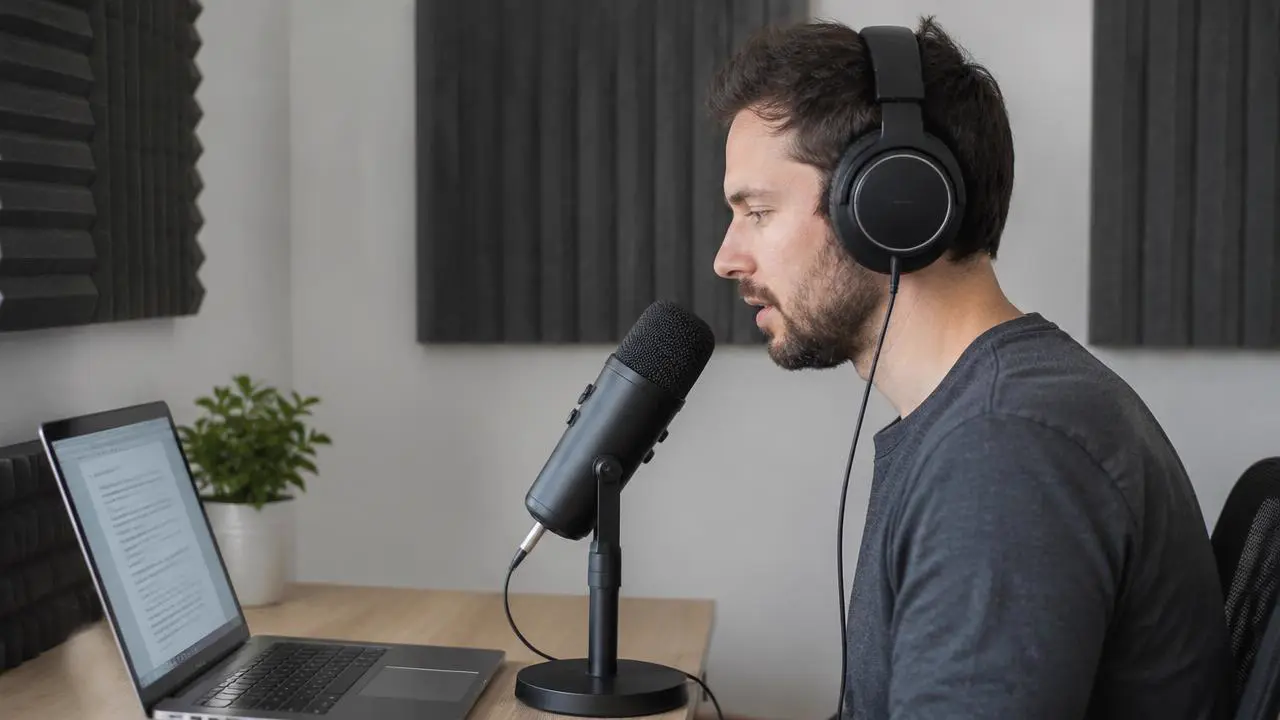
- Choose a quiet room: carpets, curtains and furniture reduce echo; avoid air conditioning and traffic noise.
- Use a good microphone: a USB or studio mic rather than a phone mic.
- Keep a steady distance: about a hand’s width between mouth and microphone.
- Read at a natural pace: not like an announcer, but like talking to a customer on the phone.
- Record varied sentences: questions, answers, numbers, dates, times, names and addresses.
- Balance emotion: warm but calm; neither overly cheerful nor monotonous.
- Take breaks: a tired voice lowers quality; record in short sessions.
- Re-read instead of cutting: clean retakes beat edited recordings.
Quality testing before going live
A cloned voice should be tested with real scenarios before going live. The test should answer not only “does it sound like them?” but also “is it natural, clear and fast on the phone?”
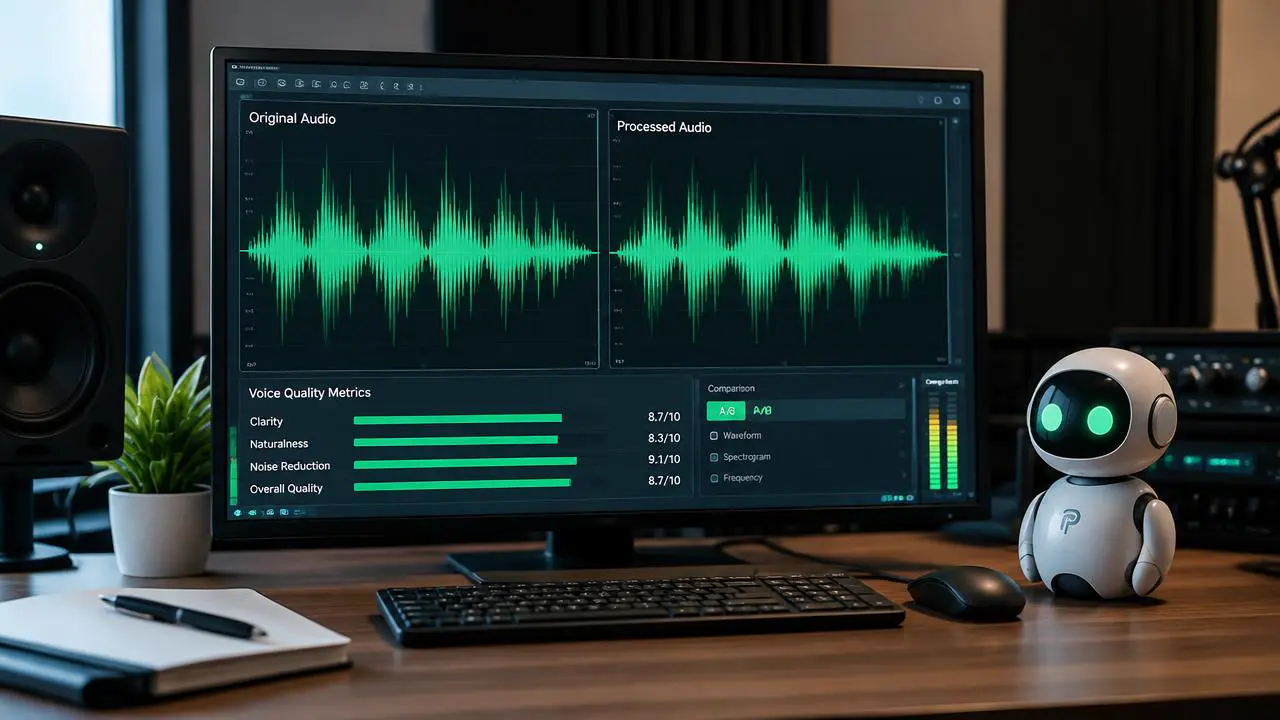
- Pronunciation: are your business name, product names, street and district names said correctly?
- Numbers and dates: are prices, times, dates and phone numbers clear?
- Naturalness: do sentence endings, question intonation and pauses sound natural?
- Phone quality: is it clear over a real phone line in a noisy setting?
- Latency: is the voice generated fast enough not to disrupt the conversation?
- Team sign-off: what do staff who know the voice and a few loyal customers think?
Voice, tone and brand identity
Speaking style is as much part of the brand as the voice. Form of address, level of formality, phrases and greeting should match your brand. A law firm’s assistant and a café’s assistant should sound different even with the same voice.
See our voice cloning feature and languages and voices page for options, and our shorter checklist on cloning your business voice.
Multilingual use: one voice, several languages
Some voice models can speak other languages while keeping the cloned voice’s character, giving international customers a consistent brand experience. Pronunciation and naturalness must be tested separately in each language; in some languages a native ready-made voice may work better.
Cost and process
Voice cloning needs an extra recording and testing process compared with ready-made voices. Scope depends on recording time, number of languages and quality expectations. See our pricing page for included features and setup support; expert setup is free on yearly Kurumsal and Premium plans.
The voice cloning process: 6 steps
- 1. Decide: ready-made or cloned voice? Assess your brand need.
- 2. Consent: sign a written, explicit consent agreement with the voice owner.
- 3. Record: clean recordings with varied sentences in a quiet room.
- 4. Model: the voice model is created and connected to the assistant.
- 5. Test: pronunciation, numbers, naturalness, phone quality and latency.
- 6. Go live and monitor: listen to the first week’s calls and refine.
Common mistakes
- Verbal consent only: written consent with a defined scope is essential.
- Noisy recordings: bad input produces a bad voice even with the best model.
- Focusing only on a beautiful voice: clarity and speed on the phone matter just as much.
- Not telling customers it is an AI: a cloned voice must never be presented as the real person.
- No plan for staff leaving: decide in advance what happens if the voice owner leaves.
2026–2027: what is changing in voice cloning?
Voice models are producing more natural results from less audio, conveying emotion and emphasis better and running with lower latency in real-time calls. Expectations around consent, transparency and misuse prevention are rising too. The winners will be businesses that combine familiarity with trust.
Why Sesla AI for voice cloning?
Sesla AI is an AI phone assistant running on Türkiye’s most advanced AI call center infrastructure that brings your brand voice to your assistant with consent, security and transparency. Start immediately with ready-made professional voices and move to a cloned brand voice when you need it. Your existing number stays, pricing is transparent and expert setup is free on yearly Kurumsal and Premium plans.
Example script structure for recording
A good voice model is trained on recordings that cover the sentence types used in real calls. Building the script from sentences your business actually says on the phone, rather than from a random article, improves both quality and naturalness.
| Type | Example | Why it matters |
|---|---|---|
| Greeting | “Hello, welcome to X, how can I help?” | First impression |
| Question | “Which day would suit you best?” | Question intonation |
| Numbers and prices | “Our plan is 49 dollars a month, setup included.” | Clarity of numbers |
| Dates and times | “Your appointment is Thursday 14 November at 3:30 pm.” | Confirmation sentences |
| Address and names | “112 Baker Street, Marylebone.” | Proper-noun pronunciation |
| Apology and empathy | “I’m sorry about the trouble, I’ll sort it out now.” | Emotional balance |
| Closing | “Is there anything else I can help with? Have a nice day.” | Natural ending |
Risks of voice cloning and how to mitigate them
As voice cloning spreads, so does the risk of fraud. For a business the key safeguards are limiting access to the voice model, using it only in defined assistant scenarios, telling customers on every call that the assistant is an AI and tying sensitive actions (payments, passwords, identity) to secure verification instead of voice approval. The assistant should never ask customers for card details or passwords.
Internal processes matter too: keep a record of the voice owner’s consent, the model’s creation date, permitted channels and deletion conditions. This file protects the business in an audit or a dispute with an employee.
What to look for in a ready-made voice
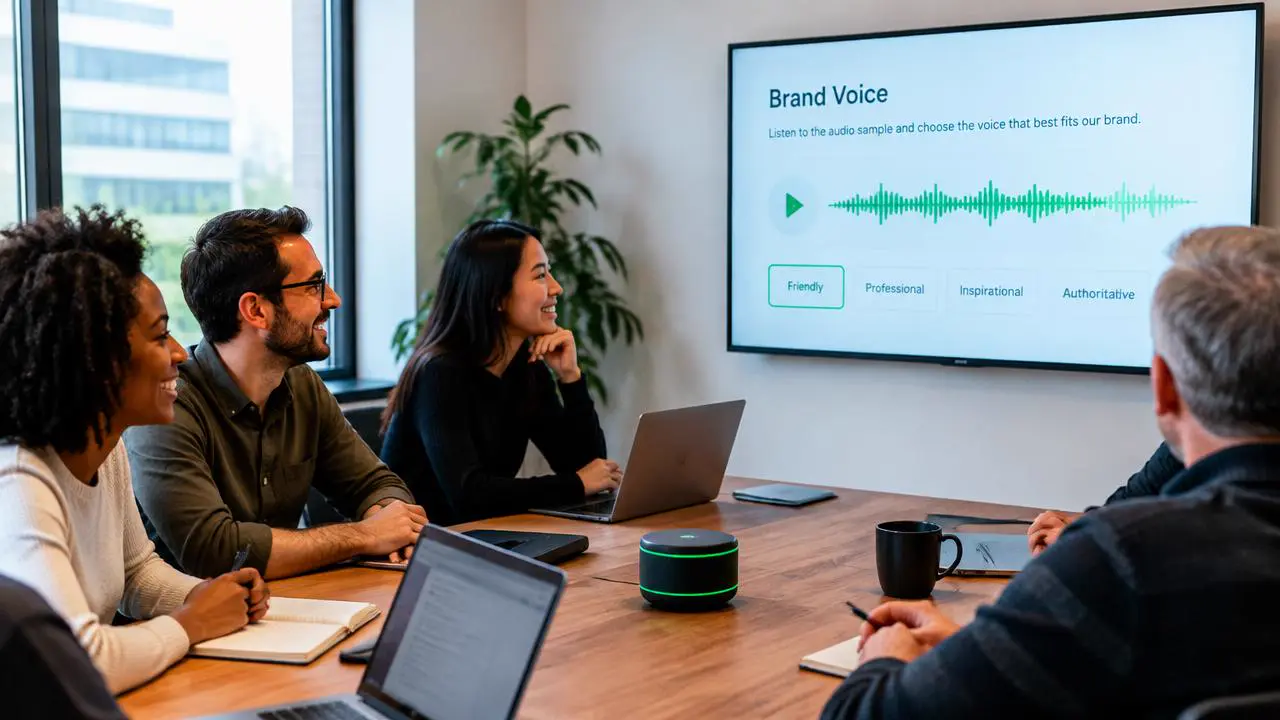
If you are not ready for cloning or do not need it, choosing the right ready-made voice still strengthens your brand. Consider your audience, the tone your industry expects and clarity on a phone line together. Listening to a few voices with the same sentences and running a quick preference test with your team and a few customers gives the best choice.
- Industry fit: calm and reassuring for legal and finance; warm and energetic for beauty and leisure.
- Audience: form of address and speaking pace by age group and region.
- Clarity: clear even in noisy settings and on low-quality lines.
- Consistency: keeps the same character across sentence types.
- Multilingual: a natural equivalent in each language for international customers.
Voice cloning checklist
- Does the written consent cover purpose, channels and duration?
- Are leaving and withdrawal scenarios written down?
- Is the script built from real call sentences?
- Is the recording room quiet and the microphone good?
- Were pronunciation, number and date tests done?
- Was the voice tested over a real phone line?
- Does the greeting disclose that it is an AI?
Can the model be used for anything else? No. At Sesla the voice model is used only in the business’s assistant and the channels defined in the consent; never for advertising voice-overs or other content.
Conclusion
AI voice cloning brings your brand’s familiar voice to a phone assistant that works 24/7. Done right, it strengthens trust and recognition; done wrong, it damages trust. Start with consent, record cleanly, test with real scenarios and always tell customers they are speaking to an AI.
Start a live demo with Defne to hear how an AI voice sounds on the phone, or design an assistant for your business in a few minutes.
Frequently asked questions
What is AI voice cloning?
Creating a digital voice model from a person’s recordings; businesses use it to bring their brand voice to their phone assistant.
Is consent required?
Yes. Written, explicit consent from the voice owner covering purpose, channels and duration is required; Sesla never clones without consent.
Will customers think they are talking to the real person?
At Sesla the assistant discloses on every call that it is an AI; a cloned voice is never presented as the real person.
How much recording is needed?
It depends on scope and quality expectations; what matters most is clean, varied, naturally paced audio.
Is a ready-made voice enough?
For most businesses, yes. Natural ready-made voices give the fastest start; cloning makes sense for brands with a recognised voice.
Can I try it?
Yes. Run a free live demo with Defne for up to 10 minutes.
Describe your needs in 3 minutes and we prepare your assistant draft and quote.